

Resilience Is the New Valuation: How Storm-Ready Marinas Protect Long-Term Asset Value
Published on January 22, 2026


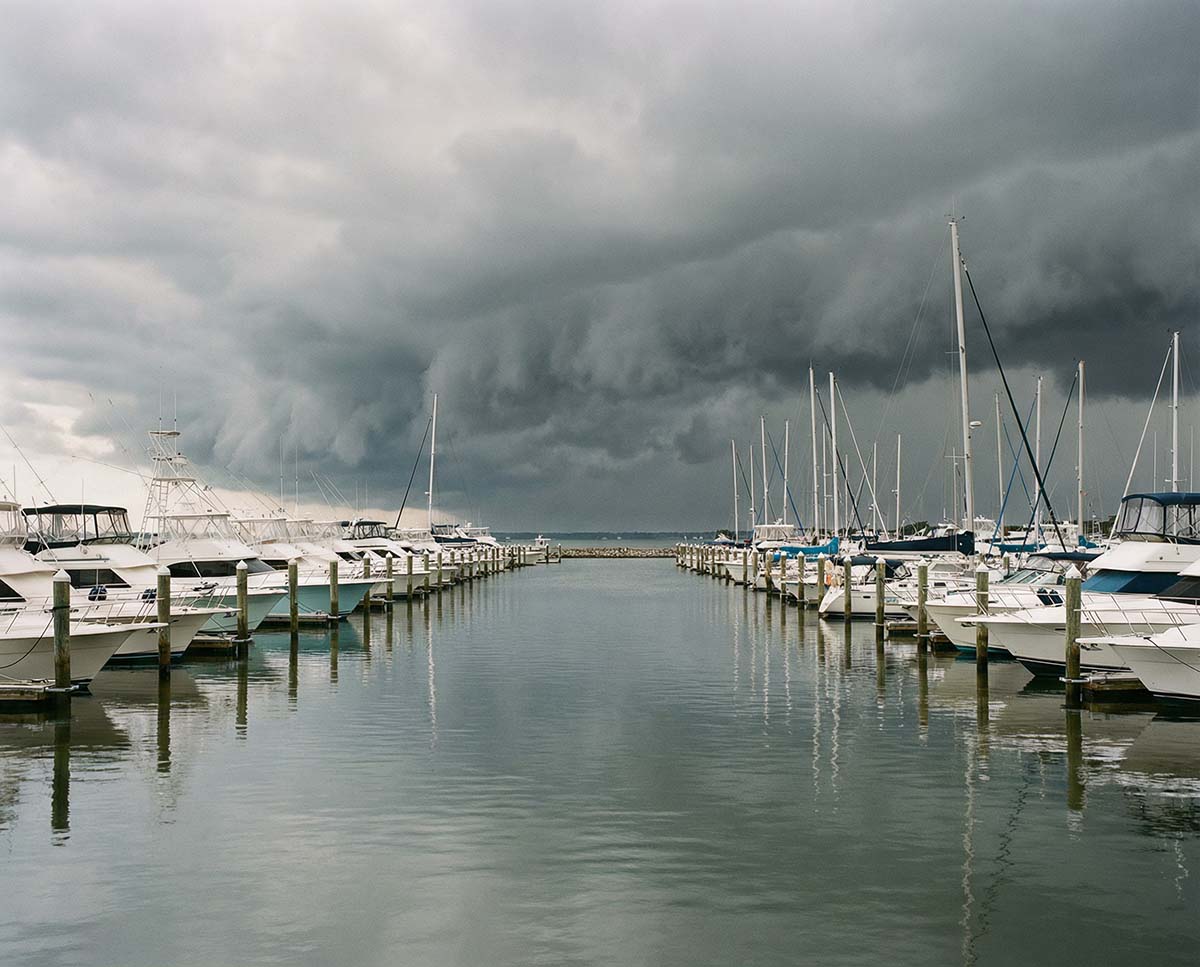
For decades, storm preparedness at marinas was largely treated as an operational requirement. Owners invested in emergency plans, haul-out procedures and communication protocols to survive the next storm and reopen as quickly as possible.
Today, that mindset is changing. As storms grow more frequent and intense, resilience has become a core factor in how marinas are valued, insured and positioned for sale. Storm readiness now influences not just recovery, but long-term financial performance.
In today’s market, resilience is no longer simply about weathering an event. It is about protecting asset value.
A Shifting Risk Landscape
In recent years, storm exposure has become less predictable across the country. Markets once considered lower risk have experienced record-breaking weather events, including severe hurricanes impacting the Carolinas and Mid-Atlantic regions, as well as flooding and wind damage in areas not historically built for it.
This growing uncertainty has changed how owners, insurers and buyers think about preparedness. Storm planning is no longer a regional concern reserved for traditional hurricane zones. It is an asset management issue that affects marina operations, valuation and long-term viability across all markets.
From Emergency Planning to Asset Strategy
Traditional storm preparation focuses on immediate actions: secure vessels, protect utilities and communicate with customers. These steps remain essential, but they represent only one layer of preparedness.
Buyers, lenders and insurers are now asking deeper questions. How quickly can operations resume after a major storm? How much structural damage occurred? Which systems failed, and which held? These considerations increasingly shape underwriting decisions and transaction outcomes.
A marina that sustains limited damage and restores operations quickly is no longer viewed as simply well managed. It is perceived as a lower-risk, higher-quality asset.
Why Resilience Directly Impacts Valuation
Storm resilience influences marina valuation in several measurable ways.
- Downtime and revenue continuity. Every day a marina remains offline after a storm represents lost revenue, strained customer relationships and uncertainty for members. Facilities designed with resilience in mind tend to recover faster and preserve cash flow.
- Insurance and financing scrutiny. Insurers and lenders now examine construction methods, dock systems, electrical layouts and maintenance documentation more closely than ever. Marinas that demonstrate proactive planning and durable infrastructure often face fewer underwriting challenges.
- Buyer confidence during transactions. Storm history and preparedness documentation are increasingly reviewed during due diligence. A marina that can clearly articulate how it mitigates storm risk stands out in competitive acquisitions.
Beyond transactions, resilience also influences day-to-day economics. Facilities that demonstrate reliable storm readiness often benefit from stronger patron confidence, supporting rate stability or modest rate premiums. In many cases, resilient design and documented performance can also contribute to more favorable insurance outcomes for both the facility and its tenants. Resilience reduces perceived risk. Lower risk supports stronger valuations.
Design and Construction Decisions That Matter Most
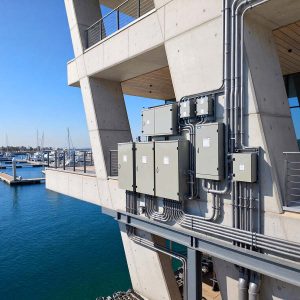
Not all storm-related investments deliver equal value. Some of the most impactful decisions are made long before a storm appears on the forecast. Elevated and protected critical systems are essential. Electrical equipment, fuel systems and control infrastructure that sit above anticipated surge levels significantly reduce damage exposure and shorten recovery time.
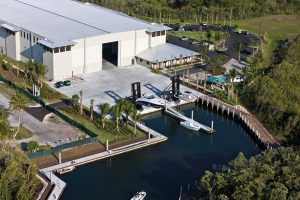
Structural construction methods also play a major role. In hurricane-prone regions, tilt-wall construction has proven to be a durable solution for marina support buildings, storage facilities and mixed-use waterfront structures. When properly engineered, tilt-wall systems offer strong resistance to high winds and wind-borne debris, and they often allow for faster post-storm reoccupancy compared to lighter construction types.
Dock systems must be designed for local conditions. Surge, wave action, vessel mix and wind exposure vary widely by site. Systems engineered for flexibility and load tolerance consistently perform better during major storm events.
Site planning matters as well. Drainage, access routes and circulation patterns influence how water moves through a property during extreme weather. These factors often determine whether cleanup and repairs take days or months.
Owners do not need to rebuild everything at once. Strategic, phased upgrades can meaningfully improve resilience while aligning with capital planning and operational realities.
What Hurricane Ian Revealed About Marina Recovery
When Hurricane Ian made landfall in 2022, it provided one of the clearest recent stress tests of marina infrastructure and preparedness in the United States. Across southwest Florida, many marinas experienced extended recovery timelines as owners worked through structural repairs, dock reconstruction, insurance claims and permitting processes.
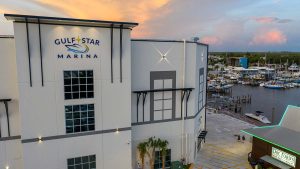
Recovery outcomes varied widely. In Fort Myers Beach, Gulf Star Marina was able to restore operations in approximately 90 days—an outcome that proved to be the exception rather than the rule following a storm that devastated entire communities and left buildings and infrastructure severely damaged or destroyed.
Other nearby facilities were widely recognized for reopening within roughly six months, a significant achievement given the scale of destruction and the complexity of rebuilding in the aftermath of Hurricane Ian. Across the region, many marinas faced average recovery timelines of nine months or longer, with some still working through repairs well beyond that mark.
The lesson for owners is not about a single marina or storm. It is about how planning decisions, construction quality and operational readiness directly influence recovery timelines, insurability and long-term asset value.
Operational Continuity Is Part of Protection
Storm resilience extends beyond physical infrastructure. Operational planning plays an equally important role. Clear communication protocols, documented emergency procedures and trained staff contribute to faster recovery and reduced confusion following an event. Marinas that regularly revisit and refine their storm plans tend to improve performance with each season.
From a valuation standpoint, operational maturity signals stability. Buyers and partners want to see that a marina can function through uncertainty, not just endure it.
Insurance, Due Diligence and the New Reality
Insurance markets have tightened, particularly in coastal regions. Carriers now evaluate construction quality, maintenance records, upgrade history and storm performance as part of underwriting decisions. The same information increasingly appears in acquisition and refinancing due diligence. Marinas that proactively document resilience investments often experience smoother transactions and fewer last-minute obstacles. In this environment, storm readiness becomes tangible proof of responsible ownership and long-term planning.
Breaking the Mindset Barrier
The most forward-thinking marina owners are reframing storm preparation as a competitive advantage rather than a reactive cost. A resilient marina recovers faster, reassures members that their vessels and access will be protected and demonstrates long-term viability to buyers and lenders. That confidence matters not only to the asset itself, but also to patrons who are keenly aware of the time, complexity and cost associated with post-storm vessel damage and insurance claims.
As weather patterns continue to shift, preparedness is becoming a baseline expectation rather than a regional exception. Breaking this mindset barrier is essential. Storm resilience is no longer a background consideration. It is a core component of asset stewardship.
Looking Ahead
Storm exposure is a reality of coastal markets. What owners choose to invest in today will shape their marina’s long-term financial performance. The question is no longer whether storm preparation matters. It is how intentionally owners plan for it and how clearly they communicate its value. In today’s market, resilience is not just protection. It is preservation.
Robert Brown is the founder and CEO of GCM Contracting™ and Marina Partners™, where he works closely with marina owners and developers to plan and deliver drystack facilities. He can be reached at rbrown@gcmcontracting.com.

| Categories | |
| Tags |