

New Strategy Highlights Role of Marinas and Recreational Boating in Michigan’s Economy
Published on July 1, 2026


Michigan’s first statewide maritime strategy places new emphasis on marinas and recreational harbors as key components of the state’s waterfront infrastructure and economy.
The 10-year plan identifies marina modernization, environmental sustainability and improved public access as priorities, alongside broader maritime goals related to ports, manufacturing and workforce development.
Environmental Initiatives
Michigan’s recreational boating sector plays a significant economic role, generating an estimated $11.7 billion annually and supporting approximately 45,000 jobs. Michigan ranks among the top U.S. states in recreational boating, with more than 800,000 registered vessels and an extensive network of boating access sites and harbors.
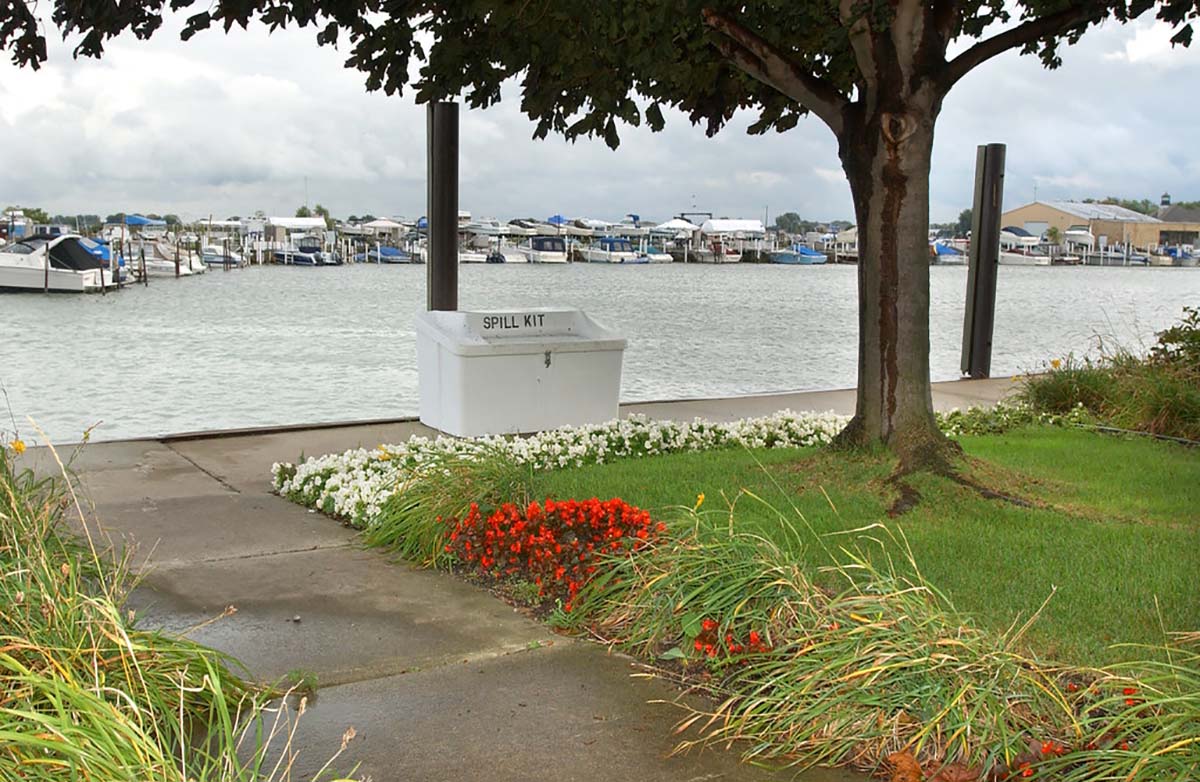
To reduce environmental impacts from marina operations, the strategy recommends expanding pollution prevention and source reduction practices. These measures include improving waste and stormwater management, reducing fuel spills and implementing operational practices that minimize contamination in harbors and surrounding waterways. As part of the state’s environmental initiatives, the plan calls for the development of a funding strategy for the Michigan Clean Marina Program. The program was established in 2001 as a public-private partnership to assist Michigan marinas, harbors, boatyards and yacht clubs in voluntarily implementing best environmental practices to reduce pollution and protect fish and wildlife habitat.
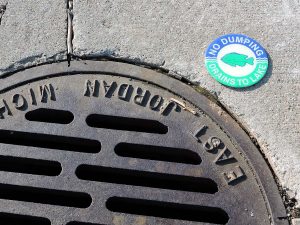
The plan also highlights the need for increased education and management efforts to address invasive species. Marinas and boat operators are encouraged to adopt practices that limit the spread of aquatic invasive species, including improved cleaning and maintenance protocols for vessels and equipment. “As a last stop before runoff enters our waterways, marinas can play a critical role in helping to protect water quality in the Great Lakes through implementation of green infrastructure and other sustainable and clean marina practices,” said Elizabeth Striano, director of communications, Michigan Sea Grant. There are currently 105 Certified Clean Marinas in Michigan.
Another focus is the transition to lower-emission boating technologies. The plan recommends expanding electric charging infrastructure and alternative fuel availability at marinas to support the adoption of electric and hybrid recreational vessels. It also calls for coordination with utilities to ensure electrical grid capacity can support increased demand from marina charging stations.
Infrastructure Investment
The report also encourages sustainable harbor planning and investment in resilient infrastructure. These efforts include upgrading aging marina facilities, incorporating climate resilience measures and adopting practices that reduce emissions and environmental impacts from waterfront operations.
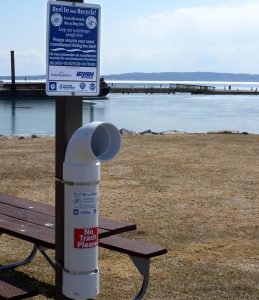
Improving public access to waterways is another component of the strategy. The plan recommends expanding boat launches, kayak access points and water trails while incorporating environmentally responsible shoreline design and habitat protection where possible.
Implementation of the strategy will be coordinated by an interdepartmental team led by the Michigan Department of Transportation and the Department of Environment, Great Lakes and Energy, with participation from other state agencies and local stakeholders.

| Categories | |
| Tags |