

Stop Renting Your Insurance: A New Model for Marina Coverage
Published on September 30, 2026


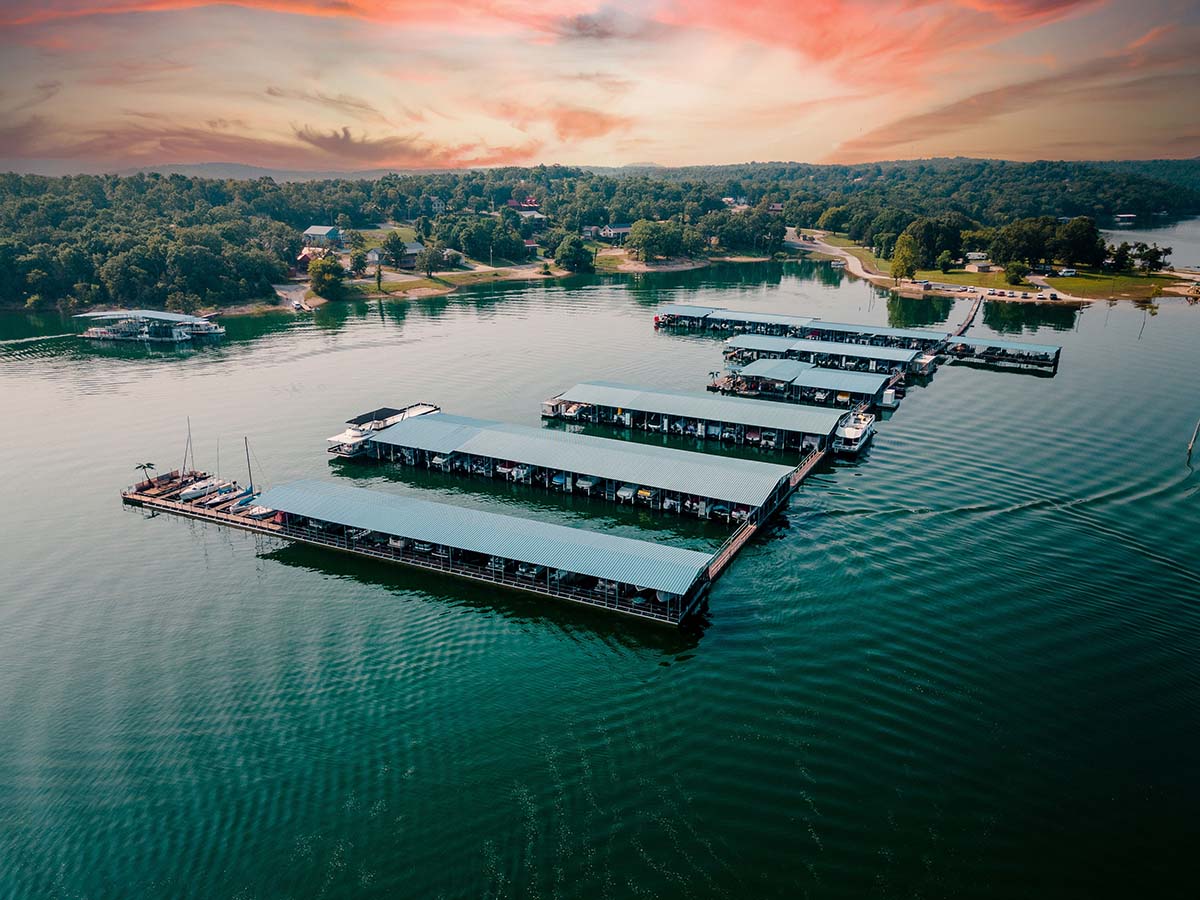
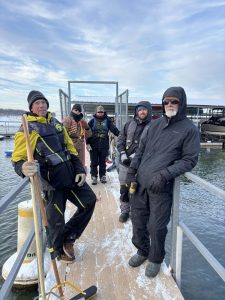
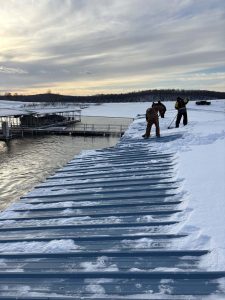
Insurance sits among the top three expense categories for more than 70% of independent marina owners — trailing only the mortgage and payroll, and it’s often the most unpredictable line on the P&L. In a soft year, premiums creep up, and cash flow tightens. In a hard year, disaster strikes, and owners find out just how thin their coverage really was. For example, consider a marina owner, Brad, who decided to self-insure his marina. For a while, it worked — no premiums, real savings. Then an ice storm moved through the South and collapsed entire sections of his docks. The math that had looked good for years came due all at once.
Brad’s case sits at one extreme, but plenty of insured owners have their own version of the same story. After a tornado hit his property, one owner believed he was fully covered. However, the damage came in $2 million over his loss limits, with a 20% coinsurance penalty layered on top of that. He rebuilt over two years, at a cost that outlasted the repairs. Another couple bought a mid-sized Arkansas marina expecting to inherit the previous owner’s rate. Instead, they paid 20% more from day one and watched that premium double over the next three years despite not filing a claim.
Rate hikes with no warning. Coverage that shrinks at renewal. New exclusions. Steep coinsurance penalties. Non-renewal letters that show up with no explanation. Ask around at any marina conference, and you’ll hear a version of one of these stories because, in this industry, the well-run operations routinely subsidize the poorly run ones, absorbing rate increases driven by someone else’s bad year.
An Old Idea Built for a Modern Problem
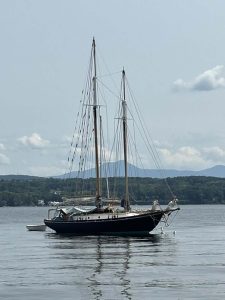
Risk-pooling among peers isn’t new. In the early 1700s, British mariners formed mutual marine insurance associations to cover ships and cargo, underwriting one another based on a vessel’s condition, the cargo’s value, and the owner’s standing. Once admitted, members used pooled premiums to cover each other’s losses. They held one another to a standard and shared best practices, often meeting annually and adjourning to share a dinner.
The modern captive insurance industry traces to 1953, when Frederic M. Reiss formed the first one for his Ohio steel company. Within a decade, more than 100 captives existed. Today there are more than 7,000, registered across more than 25 states, plus offshore domiciles like the Caymans and Bahamas. Vermont alone hosts more than 700, the largest onshore concentration in the country. Captives now handle more than $200 billion in annual premium, and roughly one in four commercial insurance policies in the United States runs through one. It’s standard practice in healthcare and transportation. Marinas are next.
How a Group Captive Works
A group captive is a member-owned insurance company where qualified owners each purchase a share in it. It’s fully licensed, state-regulated, professionally managed and backed by AAA-rated carriers, with audited financials, annual board meetings and actuarial oversight to keep it sound long-term.
Premiums flow into an escrow account that funds catastrophic coverage for each member, plus minimal overhead. Members stay fully insured throughout, and claims are filed directly with the captive. Whatever’s left in escrow at year-end earns interest, and after five consecutive claims-free years, member-owners become eligible for premium dividends.
Membership isn’t automatic. Facility quality, claims history and character all factor into qualification. Like buying any asset, there’s a down payment: first-year cost is the equity purchase plus the annual premium. Years two through five, it’s premium only. From year five on, unspent premium starts flowing back as dividends. That structure keeps profit inside the captive, with the members who fund it, instead of flowing out to a carrier’s shareholders. It’s the difference between renting insurance and owning it. Renting is simpler to start, but owning pays off over the horizon that matters.
Where Self-Insurance Fits — and Where It Doesn’t
Group captives aren’t the only way to stop renting. The most extreme option is going without insurance altogether, banking the premium savings instead. In good years, that’s real money kept, but Brad’s ice storm is the reminder of what a bad year costs when there’s no coverage behind it. Self-insurance can work for owners with a high-risk tolerance, strong free cash flow and hands-on daily involvement, but it demands the real discipline of funding a reserve account every year and being ready to absorb a total loss.
The Common Thread
Whichever path an owner chooses, traditional carrier, self-insurance or a member-owned captive, the goal is the same: run a best-in-class facility while staying protected against the risks that come with it. Every marina owner accepted those risks the day they got into this business. It’s a beautiful industry to work in, and for those willing to plan beyond the next renewal cycle, there’s now a better way to carry that risk than renting it year after year.
Dana Swing owns Sugarloaf Harbor Marina in Diamond City, Arkansas, and is the founder of National Marina Insurance Association. She can be reached at dana@marinacaptive.com. MarinaCaptive.com | 855-926-0720

| Categories | |
| Tags |