

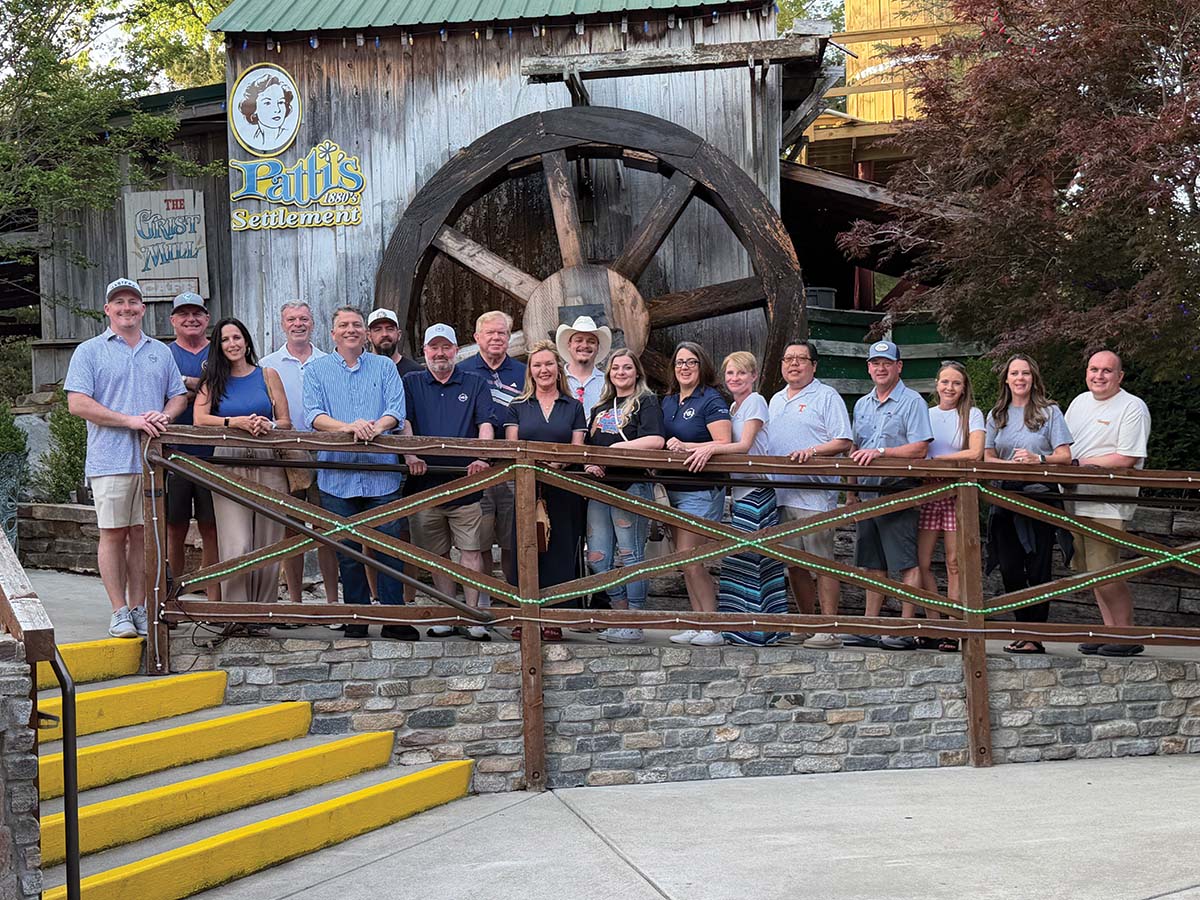
Changing the Perception of Marina Careers
Published on October 29, 2026


For Cody Baker, a career in the marina industry started with what looked like a summer job.
In 2015, while finishing his freshman year at Texas State University, Baker landed a summer job at Canyon Lake Marina in Texas. Three seasons later, he moved to Cranes Mill Marina. He spent several years with Suntex, worked a season at Lake Powell and eventually joined New Haven Marinas, where he now serves as regional operations manager.
Promoting Opportunities
Along the way, Baker discovered something he believes the marina industry needs to communicate better: There is a lot more career opportunity on the water than outsiders realize.
“I grew up with the same perception that a lot of people did—that it’s a job, you know, a J-O-B, but it’s not a career,” Baker said. “The perception of the marina industry was still very much summer job at the lake, wash the boats, run the gas pumps, and then you move on to your real job.”
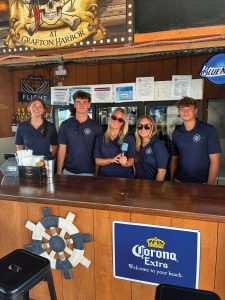
Baker experienced that perception firsthand when a family member congratulated him and then asked when he was going to “start his real job.”
He remembers thinking, “I like what I do. I make enough money. I have a retirement plan and health insurance and PTO, and if I didn’t know any better, I’d say this was a real job.”
Baker believes multi-marina organizations can help create career opportunities a single marina may not have the size to support.
“You have needs in marketing, massive marketing that was never there before, needs in recruiting, needs in retention, in segments of the job market that a single owner or mom-and-pop operation does not need to employ full time,” he said. “This can be the job your kids grow up knowing you do, and you can make a respectable, long-term career out of it.”
Hiring Practices
Changing that perception also requires changing the way operators think about hiring. Baker isn’t convinced the perfect candidate arrives with every technical skill and years of marina experience. Instead, he suggested, ask whether a candidate can meet today’s needs and grow into tomorrow’s.
Employees are also at different stages of their careers. Not everyone wants to climb the management ladder, and that doesn’t make them less valuable.
“There are people, I want to be very clear, of all ages who are at all stages of their career journey,” Baker said. “This is not a conversation about age. This is a conversation about where are you in your career journey.”
“Some of my favorite employees are post-career,” Baker said. “They are incredible, incredible people.”
When operators talk about staffing shortages, Baker’s answer is to first look at those people already on the docks.
“We have the 16-year-olds who live down the street,” he said. “They start with us, and that is your long-term pipeline.”
One young employee at Cranes Mill was a college sports science major and baseball player. After several summers—and eventually a winter—he discovered he loved the industry. Today, he is a service manager at Boat Town in Austin.
“I did not think this kid had an idea of what a wrench was,” Baker joked. “But he fell in love with the work we do.”
Build Relationships
Baker also believes operators should build relationships throughout the marine ecosystem rather than viewing every employee departure as a loss.
“If you like this person, why wouldn’t you help them land a position that keeps them in your life?” he asked.
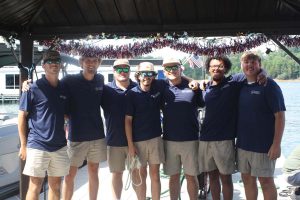
A seasonal employee who can’t stay at one marina may be an excellent candidate for a dock builder, service shop, dealership or another marine business. “I love and care about you, and I’m super excited for what your career is going to feature in the future,” Baker said. “I’ll keep an ear to the ground.”
Baker is quick to acknowledge that compensation matters. But once that baseline is met, retention becomes more complicated.
“You can never pay someone who is entirely miserable enough money to stick around forever and perform well,” he said. “And in the inverse, it doesn’t matter how much you love your job, if you’re not getting paid, that’s volunteering.” For marinas, the product itself can be part of the solution. “We’re in the fun business,” he said. “My biggest competitor isn’t the marina down the street. It’s Six Flags. It’s Disney World.”
Sell the Experience
Employees should experience the product they’re helping sell. Baker once took young employees surfing on the marina’s rental boats, giving them firsthand knowledge of the boats, lake and customer experience.
“They started selling the experience because they had lived it,” he said.
Baker believes the physical condition of a marina influences employee and customer satisfaction.
“Marinas reflect their teams,” he said. A neglected facility creates frustrations, while a clean, well-maintained property reinforces professionalism.
One customer once told Baker that he didn’t own a mansion, drive particularly fancy cars or take extravagant vacations. His boat was where he chose to spend his relaxation time.
That stayed with Baker—and it applies to employees, too.
“If you’re trying to support your employees, ask what negative drains you can remove from their environment,” he said. “Payroll flubs, distraction. If they’re in your office upset about something with their paycheck, they are not working, and they’re also upset with you.”
Sometimes retention isn’t about another perk. It’s about removing the things that make people want to leave.
Ultimately, Baker believes the industry’s future depends on workplaces where employees can envision themselves staying. That means showing them what comes next, investing in them and giving them managers they want to emulate.
“Middle managers matter because no one wants to be as miserable as their boss,” Baker said.
Employees look up the ladder and imagine themselves in the next position. If what they see is a burned-out manager, the career path doesn’t look attractive. If they see someone respected, engaged and enjoying the work, that position becomes worth pursuing.
“If you have happy employees and managers creating happy guests and tenants,” Baker said, “those tenants will look at their contract at the end of the season and say, ‘This is worth renewing because I want to go see those people at that place I enjoy being part of.’”
That, Baker believes, is the larger opportunity: creating an ecosystem where employees see a future, and customers feel the difference.
“We’re in the fun business,” he said. “Give them a narrative that they can believe—one where they’re happy to go, and people will listen.”
His prescription is simple: “You have to build a happy place. You have to build your own little Disney World.”
| Categories | |
| Tags |