

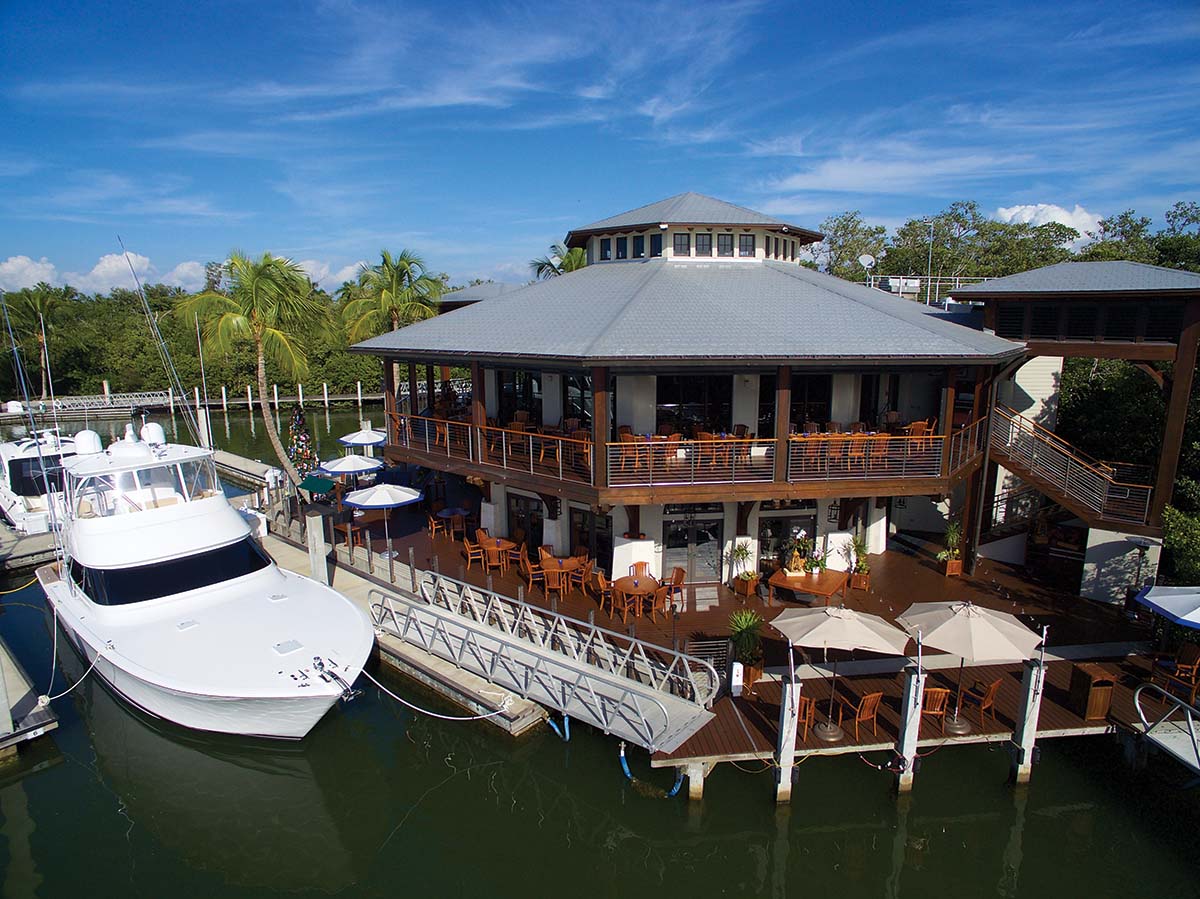
Five Construction and Development Trends Shaping Marinas in 2027
Published on October 29, 2026


Marinas don’t develop in vacuums. Most trends influencing commercial real estate and construction eventually make their way to the waterfront.
Sometimes the connection is obvious. Automation is one example. Others are less direct, but still worth paying attention to.
With 2027 right around the corner, there are five construction and development trends worth watching in the marina industry.
1. Lifestyle Development
Boat storage may be at the center of a marina, but it isn’t the only part of the experience that matters. How people use the property before and after time on the water is starting to influence how marinas are planned.
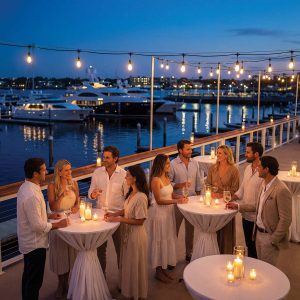
Amenities can help customers to stick around even if the boat is put away. The same shift is happening in other traditionally functional types of real estate. Collector automotive developments are one example. These properties may start with secure vehicle storage, but many are being built as places where collectors can spend time together, too.
That focus on the experience isn’t new, but where it’s showing up is. It has long been part of hospitality and residential development. Now it’s moving into properties that were traditionally much more functional.
For marinas, that doesn’t mean adding a long list of amenities simply because another property has them. The customer and business model should help determine which experiences make sense for a particular property.
And as these expectations move across asset classes, the line between a functional property and a lifestyle property becomes harder to draw.
2. Automation Is Becoming Part of the Real Estate
A forklift drystack and an automated drystack do the same job. Both move boats from storage to water, but the building around each system can look very different.
An automated system changes the way boats move through the building and can change how much storage fits within it.
That same thing is happening outside the marina industry. More buildings are being designed around the automation inside them rather than adding the equipment later.
In many of those applications, the technology is no longer simply equipment placed inside a completed building. It can influence the building itself.
Automated boat storage presents the same opportunity, but automation isn’t the right answer for every marina. A traditional handling system can make perfect sense depending on the site and business model. On other properties, automation can create possibilities that would be difficult to achieve otherwise.
For projects considering automation, that decision needs to happen early enough for the handling system and building to be planned together.
3. Designing for What Happens After Opening
A construction team spends months or years working toward opening day. For the marina owner, that’s really when the life of the building begins.
Decisions made during design can show up again years later. Something eventually needs maintenance. Equipment needs to be replaced. The way the building was planned can make that work easier or much more difficult.
That matters on the waterfront. Saltwater and severe weather are hard on buildings, and equipment that works today will eventually need attention or replacement. The question becomes how easily that work can happen without creating a bigger operational problem.
Can major systems be reached and repaired without unnecessarily disrupting operations? Can the building adapt as technology and operating needs change?
A project can finish on time and on budget and still leave an owner with expensive problems later. More of those long-term operating questions need to be considered before construction begins.
4. Digital Growth Is Driving Physical Development
At first glance, the growth of artificial intelligence (AI) and data centers has little to do with marina development.
The connection is in what digital growth needs in the physical world.
Before a data center ever starts processing information, somebody has to build it, and the amount of construction happening around these facilities is significant.
As investment in these facilities continues, so does demand across the construction market.
A marina will never compete with a data center for a customer. It can, however, compete with one for the people and resources needed to get built.
Major development taking place elsewhere in a market can eventually affect labor availability, procurement and schedules for waterfront projects.
For marina developers, that may be the more relevant side of the AI story. Digital growth still requires a tremendous amount of physical infrastructure, and understanding what is being built around a project can be just as important as understanding the project itself.
5. Construction Methods Are Being Considered Earlier
How a project will be built is starting to influence more decisions while it is still being designed. For marina projects, where the conditions on the property can create very real construction constraints, those conversations can make a difference early.
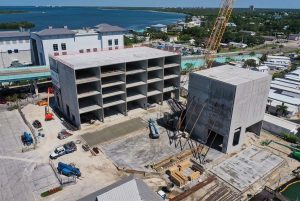
Limited working room is a good example. A marina may not have enough room to cast large concrete panels on site. Another may need to stay open throughout construction. Those realities start narrowing the construction options.
Site-cast tilt-wall may be the right call on one project. Another site may be better served by precast components made off-site. Some scopes make sense to self-perform. Others can be made in-house or assembled off-site.
None of these methods are new. What’s really changing is the ability to weigh and combine them earlier. That’s possible because design, engineering, fabrication and construction are more connected now than ever before.
Those decisions don’t have to wait until the building is already designed. They can happen while the plans are still taking shape.
What to Watch in 2027
Marinas may not be the first place every one of these shifts appears. That is exactly why developments in other industries are worth watching.
Ideas and construction methods move between industries all the time. So do technology and customer expectations. Not every new approach will fit every marina, but knowing what’s changing elsewhere can give owners more options when the right project comes along.
Robert Brown is the founder and CEO of GCM Contracting™ and Marina Partners™, where he works closely with marina owners and developers to plan and deliver drystack facilities. He can be reached at rbrown@gcmcontracting.com.

| Categories | |
| Tags |