


Breaking the Ice: Winterizing Your Marina
Published on August 19, 2026


The first snow or ice storm of the winter can wreak havoc. Ice can cause extensive damage to pilings, boat hulls, and decks. In response, many marina owners and operators turn to de-icers or aerators to help protect their investment.
De-icers Versus Aerators
A de-icer does just what the name implies: it is an electronically powered device that is submerged in the water near the dock or sides of boats. Via a propeller, the unit circulates large volumes of warm water to the surface, which prevents ice from forming around docks and boats.
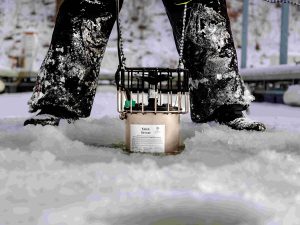
“An aerator is an air pump that sits on the shore or on the dock out of water and it pumps air into a diffuser that sits on the bottom of the lake. As the air is released from the diffuser, it lifts water upward and creates circulation,” said Cory Richmond, sales manager at Kasco Marine, a Wisconsin-based company that specializes in water quality products to help protect marinas.
De-icers generally consume more electricity than aerators, but they are more effective at preventing ice. A unit can last between 5 to 20 years, but regular inspection is advised. Richmond recommends checking de-icers weekly to make sure they are running and that no debris gets caught on them or anything wrapped around the propellor.
One bonus of this equipment is that it can serve another purpose during the rest of the year. “De-icers, circulators and aerators are often used in the summer months to prevent the buildup of weeds, algae and litter that can accumulate around docks,” said Richmond. “They will also improve water quality, which will prevent odor and muck accumulation.”
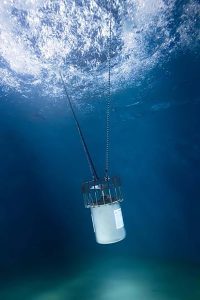
Determining whether a de-icer or an aerator is a better fit for a particular marina is based on water depth. While both promote water circulation, the equipment works differently. “The diffuser is moving air, whereas the de-icer is moving water,” Richmond said. “Using a bottom diffused aeration system as a de-icer is not recommended if you don’t have at least 8 feet of water under what you’re trying to protect.” However, de-icers can operate effectively in more shallow areas, even as little as four feet.
Depth is one determining factor in selecting the number of de-icers a marina will need for the season. “The deeper the water, the fewer de-icers you will need because you’re moving more water upward and able to de-ice a larger area,” Richmond said.
In addition to water depth, another factor is the physical layout of the marina. Deep-hulled vessels, such as sailboats, can limit sideways water movement and may require units to be placed closer together. Usually, de-icers are placed among every three slips.
As for installation, the equipment is uncomplicated enough that most marina staff can do it themselves. Generally, there are no permitting requirements for using these products on private marina property. Some states, however, require marinas to place signage notifying the public that a de-icer is in operation, particularly to warn snowmobilers on frozen lakes that there could be an unexpected open section of water.
Though this differs based upon location, winter preparation ideally should begin well in advance of the season. Of course, the timeline varies based on whether the facility is in Minnesota or North Carolina, but as a rule of thumb, winterizing by Thanksgiving is a good plan. Marinas should have a plan in place to install de-icers or aerators before ice forms.
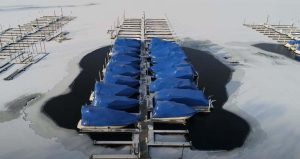
In addition to installing de-icers and aerators, Richmond also advises that boats be kept under cover during the colder months, as freezing rain and snow can damage a boat’s interior.
Additional Preparation
Around April 1 is a relatively safe time to remove the equipment, but inspection and storage is important. During the warmer months, the equipment should be stored on its sides, because of the oil-cooled motors. If the units are stored upright, the seals will dry rot.
For marinas evaluating their winterization plan and considering installing de-icers or aerators, Richmond suggested they start by identifying where the power source is to determine the length cords needed for each piece of equipment. Knowing the depth of the marina is also important. “Not just how deep it is in one spot but get to know the depths of the entire marina. That way you can best place your de-icers,” Richmond said. “When you put it in the deepest spots, you can get away with using fewer de-icers.”

| Categories | |
| Tags |