

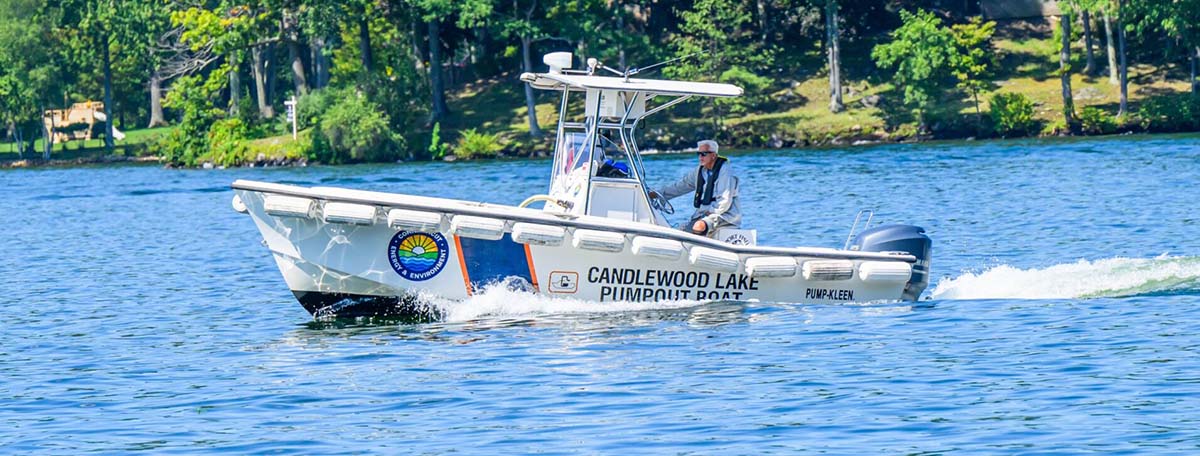
Clean Vessel Act Grant Program Continues to Protect Nation’s Waterways
Published on August 19, 2026


Connecticut’s network of Clean Vessel Act-funded pumpout facilities removed more than 1.4 million gallons of marine sewage from recreational boats during the 2025 boating season, underscoring the critical role marinas play in protecting the state’s waterways.
According to the Connecticut Department of Energy and Environmental Protection (DEEP), the statewide pumpout network has diverted more than 7.2 million gallons of sewage since 2020, helping improve water quality in Long Island Sound, the Connecticut River and inland lakes.
Much of that work is made possible through partnerships with marinas and boating facilities that operate publicly accessible pumpout stations. This year, 37 marinas, municipalities and mobile pumpout programs received funding to provide free pumpout services along Connecticut’s shoreline and at Candlewood Lake.
“The positive impact that Connecticut’s federally funded Clean Vessel Act Grant Program has had on coastal and inland waters is immeasurable,” said Jacob Budris, DEEP’s clean vessel act grant coordinator. “This funding supports free and convenient pumpout services that allow recreational vessels to discard their sewage in a clean, environmentally responsible fashion. This program benefits coastal and inland ecosystems, boaters, beachgoers, local aquaculture and anyone else who enjoys Connecticut’s waterways.”
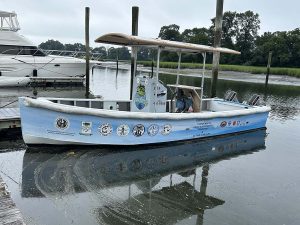
The East Shore District Health Department in Branford, Connecticut, was one of the 37 facilities to receive grant funding this year. The department operates the only solar/electric pumpout vessel in the state.
“Locally, the waters off the East Shore Coast of Long Island Sound have significantly improved. Water quality is better across our beaches; we have seen more diverse marine life and there has been expanded sea farming,” said Michael A. Pascucilla, Ph.D., M.P.H., REHS, DAAS, CEO and director of public health. “This marine water progress and aquatic life diversification, in part, has been through our CVA pump-out recreational vessel program, in which we operate two boats serving five coastal communities. We are also proud to serve our local communities with the world’s first solar-electric pump-out vessel, which would not have been possible without CVA funding.”
Building on those results, DEEP is now accepting applications for the 2027 Clean Vessel Act (CVA) Grant Program. The federally funded program reimburses up to 75% of eligible project costs for public and private marine facilities, with applicants providing a 25% match.
Funding is available for the installation and replacement of pumpout stations, pumpout boats and the operation and maintenance of existing public pumpout facilities. For marina operators, the grants provide an opportunity to invest in wastewater infrastructure, modernize aging equipment and expand environmental services while reducing the cost of capital improvements.
“Participation in this program is voluntary. The marinas, municipalities and local organizations that participate are going above and beyond to support the health of our local waters,” Budris said.
Applications for the 2027 grant round are due Sept. 4, 2026. The Clean Vessel Act Grant Program is administered by DEEP in partnership with the U.S. Fish and Wildlife Service and is funded through the Sport Fish Restoration and Boating Trust Fund.
Washington Awards
Washington is also expanding its network of recreational boating sewage disposal facilities through its Clean Vessel Act Grant Program. The Washington State Parks and Recreation Commission recently awarded approximately $500,000 in federal pass-through funding for pumpout infrastructure projects across the state.
Like Connecticut’s program, Washington’s Clean Vessel Act grants reimburse up to 75% of eligible project costs, with recipients providing a 25% match. Eligible applicants include public and private marina operators, ports, municipalities, tribal governments and nonprofit organizations. Grant-funded facilities must remain accessible to the public, and any user fees are limited to help encourage widespread use.
The funding reflects a continued nationwide investment in pumpout infrastructure as states use federal Clean Vessel Act dollars to improve water quality, expand public access to pumpout services and help marinas meet the needs of today’s recreational boaters.
Nearly all 50 U.S. states have Clean Vessel Act funding available. New York recently announced funding increases for pumpout boats and stationary facilities as part of its grant program. Like Connecticut and Washington, state grants reimburse up to 75% of costs, with recipients covering the remaining 25%. The funding also covers the cost of replacements. The Clean Vessel Act Program is generally run through a state’s environmental protection agency or similar department.

| Categories | |
| Tags |