

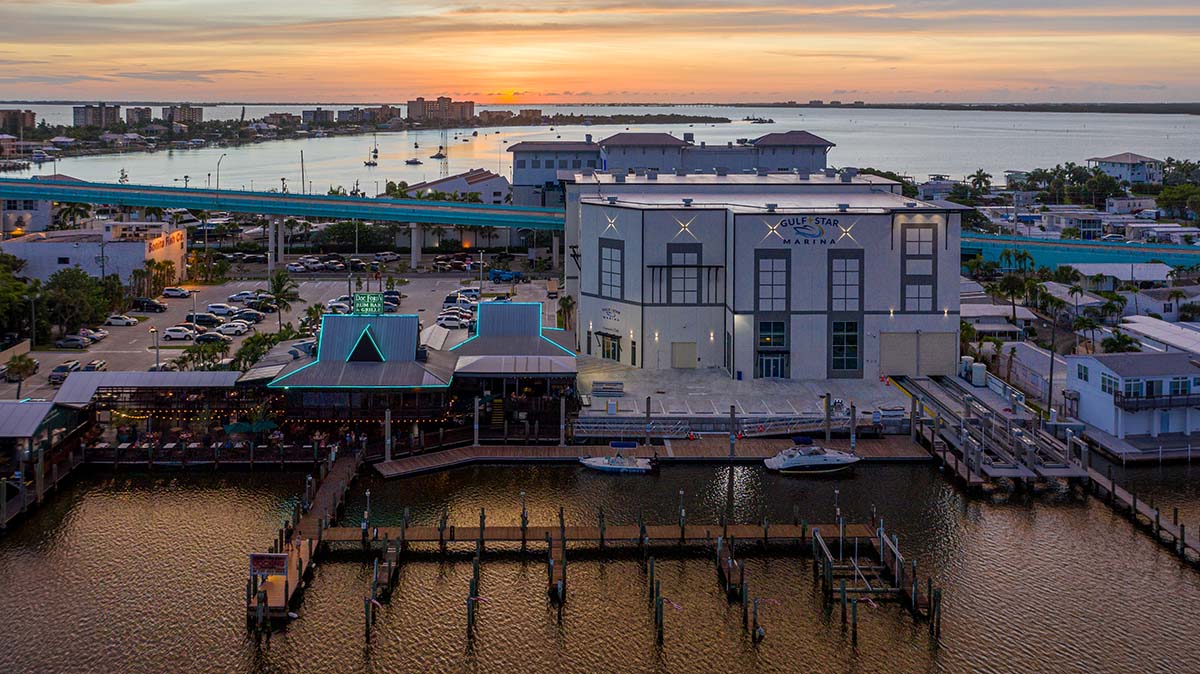
How Institutional Investors Are Evaluating Marina Assets
Published on April 1, 2026


A new wave of capital is entering the marina space, and it is coming from institutional investors. For most of my life around this industry, marinas have been lifestyle businesses run by individuals or families. I grew up boating and working alongside many of these owner-operators, and over the years, I’ve built relationships with people who view their marina as much more than just a piece of real estate. It’s often the result of decades, even generations, of hard work and personal investment.
As investment groups begin to take a closer look at marina assets, it naturally raises a bit of curiosity across the industry. What exactly are these investors looking for when they evaluate a marina property?
That doesn’t mean every marina owner suddenly needs an exit strategy. But understanding what investors pay attention to can be valuable either way. The same characteristics that attract investment capital often reflect the underlying health and long-term potential of a marina operation.
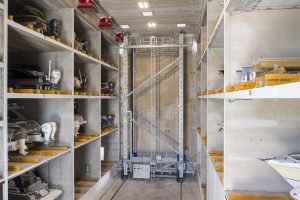
Amenities such as dry storage, fueling and the possibility to expand or remodel the facility are appealing to investment groups
This shift can be seen in some of the recent activity within the industry. Deals such as Stonepeak’s potential $700 million acquisition of Southern Marinas and Bain Capital’s real estate portfolio expansion signal that the sector is being viewed as institutional real estate. Other firms like NexPoint, whose portfolio largely focuses on multifamily and commercial real estate, have stepped into the space. This all proves that marinas are increasingly being looked at as storage and lifestyle real estate assets rather than just the local boating businesses that we’ve all grown up knowing.
Why Investors Are Paying Attention
Part of the reason marinas are attracting this new attention comes down to the type of business they represent. A marina is not just a piece of waterfront land, and it is not only an operating business either. It sits somewhere in between. The property itself holds long-term real estate value, while the operation generates ongoing income through storage, dockage, fuel and service work.
Building a new marina today is rarely straightforward. Permitting alone can take years, and suitable waterfront land is limited in many boating regions. Because of that, the marinas that already exist often become the only realistic option for serving a growing boating population. Boat sizes have continued to grow, and many coastal markets have more vessels than available storage. In places where storage capacity has not kept up with that demand, existing marinas start to stand out as scarce assets. When investors see strong demand combined with limited ability to build new facilities, it naturally draws their attention.
What Investors Are Really Looking At
Once the conversation moves past the broader investment trend, attention usually turns to the property itself. Investors want to understand how the marina actually functions and whether it has the ability to perform well over time.
Storage capacity at the facility is often a topic of discussion for investors. In markets where demand for vessel storage continues to rise, the ability to expand capacity within the same footprint can change how a marina is viewed.
Operational performance also enters the discussion fairly quickly. A marina that keeps slips occupied and runs smoothly tells a very different story than one that struggles with utilization. Investors pay attention to how consistently the facility operates and whether the business appears stable over time.
Infrastructure condition tends to come up soon after. Many marina properties were built decades ago, when boats were smaller, and storage needs looked different. Some facilities are still operating with layouts and systems that were designed for a much earlier generation of boating.
That situation can create opportunity. A marina that already has demand but needs physical updates can sometimes be the most interesting type of property. Improvements to docks, electrical service, or storage configuration can change how efficiently the marina operates and how many vessels it can support.
In some cases, investors are not looking for a perfectly optimized operation. Often the appeal lies in a marina that is functioning well but still has room to improve. With thoughtful upgrades and stronger management systems, those properties can increase revenue while continuing to serve the boating community effectively. In some situations, growth also comes from introducing new uses on the property. Adding a restaurant, retail component, event space, or even repositioning parts of the site for hospitality or residential use can create additional revenue without changing the core marina operation.
In Closing
As more capital enters the marina space, the conversation around these assets will continue to evolve. And for marina owners, that doesn’t necessarily mean changing course or preparing for a sale. It does mean having a clearer understanding of how the property may be viewed from the outside.
Max Brown is vice president at Marina Partners™, a marina development and advisory firm focused on modern drystack and waterfront projects. The company is backed by the same family-run group behind GCM Contracting Solutions™ and ASAR™ automated storage and retrieval. He can be reached at mbrown@gcmcontracting.com.
| Categories | |
| Tags |