

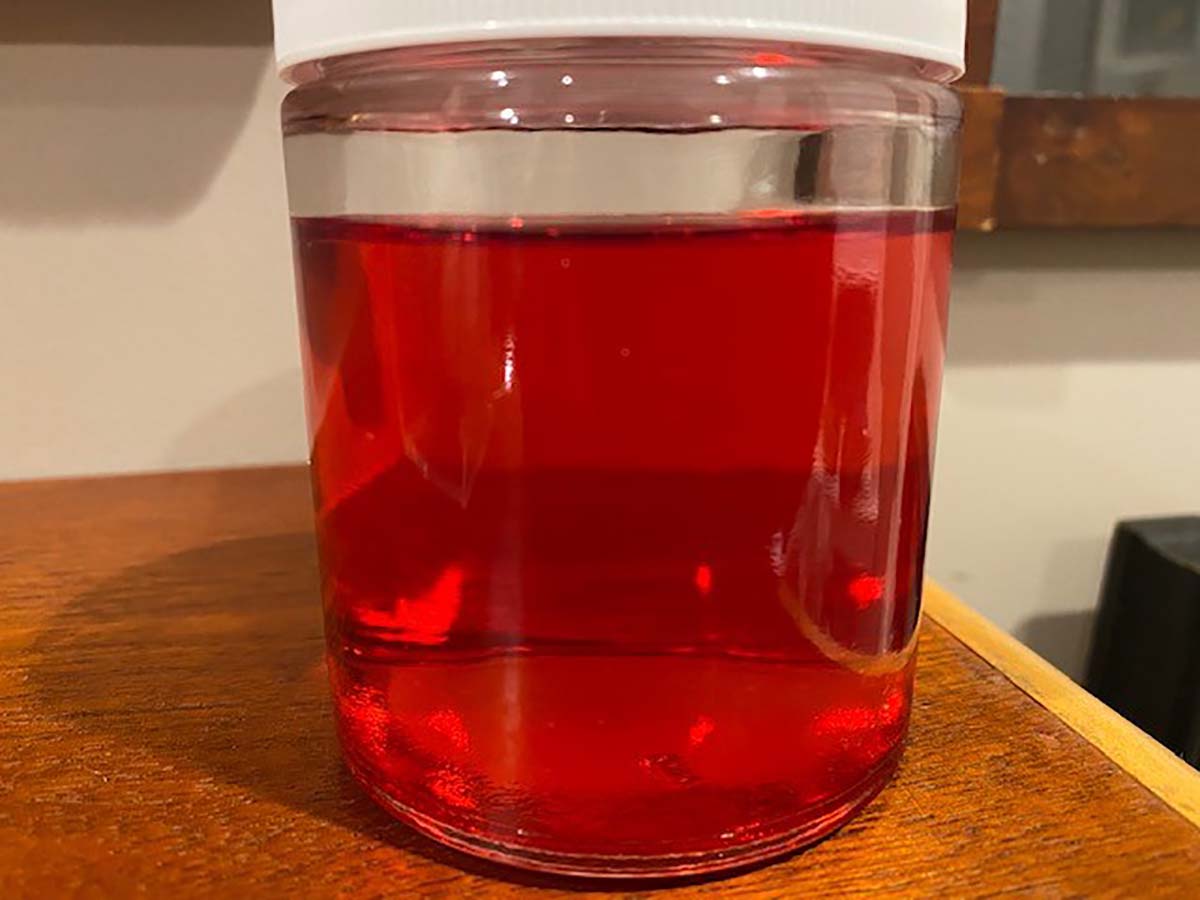
Optimizing Fuel Quality
Published on January 22, 2026


When marina owners think about critical day-to-day operations, fuel quality might not be the first thing that comes to mind, but it should be. The unseen dynamics inside a storage tank can make or break a marina’s reputation. Contaminated or degraded fuel not only causes costly repairs for boaters, but it can also create liability and operational headaches for marina owners.
A Changing National Fuel Supply
In the last two decades, changes to the national fuel supply, while environmentally motivated, have created a cascade of unintended challenges for marinas. The reduction of sulfur in diesel, the increase of ethanol in gasoline and the expansion of biodiesel blends have all altered the chemistry of the fuel that ends up in storage tanks.
“These changes were designed to lower emissions,” said Steve Burris, a partner at TopFLO LLC, a company based in Mount Pleasant, South Carolina, that designs and manufactures floating suction lines for fuel storage systems. “But they also changed how fuel behaves once it sits in a tank. That’s where the problems start.”
When the Environmental Protection Agency (EPA) mandated ultra-low sulfur diesel in 2007, sulfur levels were cut from 500 parts per million to just 15, Burris said. The drop had environmental benefits but an unintended side effect: microbial growth.
“Sulfur acted as a natural biocide,” he said. “When it was removed, microbes began thriving in diesel tanks. They form slimy masses that clog filters and restrict flow at the pump.”
Over time, these microbes generate acids that corrode tank walls and fuel systems, a recipe for expensive repairs and system downtime.
Ethanol in gasoline has been another issue. Ethanol’s hygroscopic nature means it attracts and absorbs water, which is a concern for marinas operating in humid, coastal environments.
“Once ethanol-blended fuel absorbs enough moisture, it reaches a saturation point,” Burris said. “That’s when phase separation happens. Water and ethanol sink to the bottom, leaving poor-quality gasoline above it. If that layer is pumped into a boat, it can cause catastrophic engine damage.”
Then there are the hidden risks of biodiesel blends, which can absorb up to 10 times more water than traditional diesel.
Worse, Burris said, “Fuel blenders don’t have to disclose biodiesel content unless it exceeds 5%. So you might be getting biodiesel and not even know it.”
The increased water absorption can accelerate microbial growth and push water content beyond specification limits. These problems occur at the bottom of the tank, exactly where most traditional fuel pickup systems draw from. TopFLO addresses that issue directly.
With 25 years in the tank cleaning industry before launching TopFLO in 2021, Burris has seen the full life cycle of fuel quality problems and how preventable they can be.
“Our goal is simple. We want floating suction to be standard equipment in every fuel storage tank, whether it’s at a marina, convenience store or data center,” Burris said. “It’s a straightforward way to draw from the cleanest layer of fuel and protect your system from contamination.”
Why Water Can Be the Enemy
For marinas, water intrusion is almost unavoidable.
“Every storage tank breathes,” Burris said. “Vented tanks pull in humid air, and that moisture condenses on the inner walls. Those droplets run down and collect at the bottom, creating a breeding ground for microbes.”
Water is the catalyst for nearly all fuel degradation, as microbes need it to survive. Removing or minimizing water can reduce the risk of contamination.
“Fuel shelf life isn’t what it used to be,” Burris said. “Diesel lasts maybe 18 months now, gasoline six and biodiesel often less than three. Once fuel leaves the refinery, it immediately starts to degrade, cetane levels drop, flash points fall, and sediment forms at the bottom.”
For marinas that operate seasonally, these issues compound.
“If your tanks sit idle in the off-season, you’re dealing with aging fuel and condensation buildup,” he said. “Turning over inventory frequently or removing aged fuel is essential.”
The High Cost of Contamination
Fuel contamination doesn’t just damage engines; it damages trust. Burris recalls one marina that inadvertently pumped contaminated fuel into several mega-yachts.
“The repair bills were enormous,” he said. “They lost six weeks of fuel sales, had to remediate their system and suffered reputational damage.”
That same marina later installed TopFLO floating suction lines.
“They have since pumped over 1.5 million gallons without incident,” Burris said. “Before, they were changing filters monthly. Now it’s once a year. Independent testing shows their fuel consistently meets ISO [International Organization for Standardization] cleanliness standards.”
The takeaway, Burris said, is that “a clean fuel system is good business. It keeps your customers happy, your operation running smoothly and your brand reputation intact.”
Monitoring, Testing and Prevention
Proactive monitoring is the foundation of fuel quality management, Burris said.
“Start by tracking water levels,” he said. “Most tanks have automatic tank gauges that use magnetostrictive probes to measure fuel and water. They’re reliable but not infallible. Sludge buildup can interfere with readings, so it’s smart to manually verify water levels monthly using water-finding paste.”
Contaminated fuel often gives itself away, and there are key signs. Burris lists red flags that marina staff should monitor: slower pump flow rates, more frequent filter changes, black or stringy residue in filters, milky or hazy fuel appearance and a rotten egg or sour odor.
“These are all early indicators that something is happening in the tank,” Burris said. “If you ignore it, you could be looking at tank corrosion, equipment failure and thousands in remediation costs.”
For marina operators, maintaining clean fuel is both a safety measure and a business safeguard.
“If you manage fuel, you manage risk,” Burris said. “By taking control of what’s happening below the surface, marinas can ensure every gallon they pump is clean, reliable and worthy of their customers’ trust.”
| Categories | |
| Tags |