

Seaplanes: The $1,500 Customer Your Marina is Missing
Published on March 2, 2026


When I taxied my 1946 Taylorcraft floatplane into Clinton Marina on the Mississippi River in Iowa, the staff was waiting at the fuel dock despite never having serviced a seaplane before. My visit generated several hundred dollars in revenue: fuel, lodging and meals. Marina manager Jean LaShelle’s Facebook post (“First time ever fueling up a seaplane… Just when you think you’ve seen it all… you really haven’t”) generated 240 reactions, 29 comments and 32 shares—authentic engagement money can’t buy.
During my transcontinental seaplane journey from Indiana to California, I stopped at nine marinas, spending $400 to $2,000 per visit. I discovered wide variations in marinas’ willingness to accommodate seaplanes. Remarkably simple accommodations can transform these facilities into seaplane-friendly destinations.
The seaplane market is niche—but the economics are exceptional, and the competitive barriers protecting early entrants are substantial. Light-sport seaplanes, vintage aircraft on floats and renewed interest in adventure travel are bringing more pilots to America’s waterways. The customer profile matters more than volume: seaplane pilots typically spend three to five times what boaters spend and may arrive mid-week when slip traffic is lighter. Many fly during shoulder seasons when recreational boating declines. Seaplane visits also generate extraordinary social media engagement.
For municipally owned marinas, the economic case proves particularly compelling. Municipalities benefit from the entire economic impact of seaplane visits: hotel taxes, restaurant spending, retail purchases and tourism multipliers.
Marina operators consistently overestimate seaplane requirements. The most successful stops I encountered weren’t facilities with elaborate infrastructure. They were operations willing to adapt existing assets.
What Seaplanes Actually Need
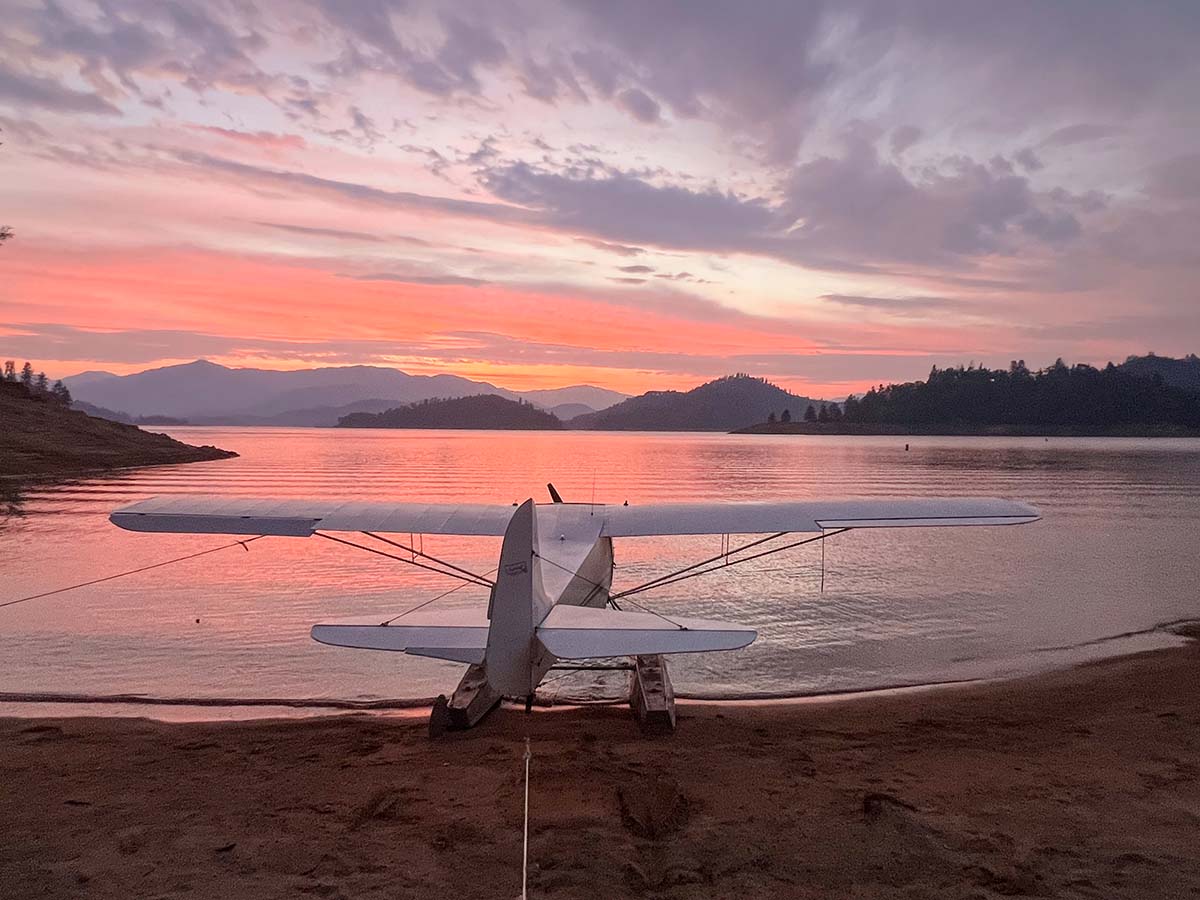
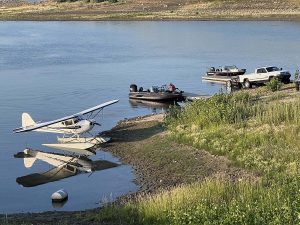
Secure cleats, protection from wind and current and adequate wing clearance are essential. Seaplanes don’t require specialized docks, though padding helps protect both aircraft and dock surfaces. Seaplane floats are typically lower than boat hulls, making simple solutions such as used tires hung at contact points remarkably effective. Where docks won’t work, beaches provide excellent alternatives. Seaplanes can use shallow-draft areas that typically don’t generate income. Sandy shorelines with gradual slopes are ideal, though small rocks or packed mud work fine.
Staff knowledge represents the easiest gap to fill, yet that’s where marinas most consistently fall short. A two-hour briefing covering basic seaplane operations, safe arrival and departure procedures and tie-down techniques transforms staff into confident aviation service providers. Unlike boat hulls, aircraft are delicate. Thin aluminum skins, fabric covering on vintage aircraft and protruding antennas require gentle handling to prevent costly damage. A poster in the staff room can provide a quick reference.
Some certificated aircraft engines have STCs authorizing ethanol-free automotive fuel, which many marinas already stock. For aircraft requiring 100LL avgas, the solution may be as simple as coordinating fuel truck delivery from the nearest airport.
Marina development consultant Dan Natchez notes that successful seaplane-friendly marinas prioritize safety protocols, reliable internet for weather briefings and flight planning and comfort facilities. Restrooms, showers, laundry facilities and comfortable planning spaces transform fuel stops into overnight stays.
Marinas establishing seaplane services early gain significant competitive advantages with pilots developing route loyalty and regulatory approvals favoring established operations.
What Works: Lessons from the Field
Most seaplane pilots call ahead and for good reason. Don Goodman, who has flown his Cessna 182 seaplane across the United States multiple times, notes that “many things can go wrong when arriving at a marina, with pilings being the most obvious hazard. That’s why planning ahead is essential.”
While pilings present a significant risk, trained staff can eliminate that hazard simply by being present during arrival and departure. I always try to speak with marina staff before deciding to use a facility. More than once, the initial call revealed an unsuitable facility.

Manager Jean LaShelle’s response to my advance call confirmed Clinton Marina would be an excellent overnight stop. Her staff not only met me at the dock but also allowed me to keep the aircraft at the fuel dock overnight, eliminating complicated repositioning before departure.
Relationships Build Revenue
Jim and Analene Torgerson, owners of Lund’s Landing Marina and Resort at Lake Sakakawea, North Dakota, maintained operations late into the fall season, which is a critical refueling point I’d learned about from pilots making long-distance flights on straight floats.
Jim confirmed months in advance that the marina would remain open with fuel and a cabin available, even in mid-October when all slips were empty. When the weather extended my stay far longer than planned, the Togersons’ exceptional service ensured I returned the following summer.
Solution-Oriented Operations Win Business
Landon Blanchfield at Woodland Resort, Devils Lake, North Dakota, proved to be welcoming and solution-oriented after a disappointing conversation with another marina. He met me at the fuel dock and confirmed I could use the sandy beach for an overnight stay.
The full-service, family-owned resort offers on-site lodging, a restaurant and a well-stocked ship’s store, generating revenue well beyond fuel sales. Blanchfield’s mother, Karin Blanchfield, welcomed me. “My family loves when seaplanes find us. It’s always an occasion,” she said.
Recognizing seaplane visits as special occasions instead of inconveniences is the mindset that maximizes both immediate revenue and long-term reputation. Comprehensive services convert fuel stops into multi-day visits with dramatically higher per-customer revenue.
At Fort Peck Marina in Montana, owner Jessica Collingsworth confirmed fuel availability, beaching access and accommodations within sight of the aircraft all before I arrived. During a visit to Bridge Bay Marina on California’s Shasta Lake, I beached on a sandy area ideal for camping. Staff provided pontoon boat transport back to my aircraft after I filled portable fuel containers.
At Delta Marina in California’s Sacramento-San Joaquin River Delta, weather forced a two-night extension. By departure, I’d met numerous visitors who’d heard about the seaplane, including Gerry Nolan, president of the Rio Vista Experimental Aircraft Association chapter.
Marina staff member Monica Walton videotaped my taxi and takeoff from Gerry’s boat, edited the footage with music and captions and posted it to Facebook. Seaplanes help create authentic and engaging content that money can’t buy. Weather delays transform into revenue opportunities. Marinas that recognize seaplane visits as community events generate marketing returns that continue long after the aircraft departs.
Applying These Lessons
The Clear Lake Seaplane Base development project in northern California applies these principles directly. Rather than planning for expensive specialized infrastructure, the project adapts existing marina assets to serve the aviation market:
Floating docks using elastic mooring systems eliminate traditional pilings that complicate permitting while minimizing environmental impact
Comprehensive staff training on seaplane operations and safety protocols
Strategic partnerships with aviation organizations to attract pilots
Youth aviation education programs to build long-term community engagement
Elastic mooring technology scales from large facilities like the Vancouver Seaplane Terminal to smaller marina additions. Seaflex provides engineered designs at no upfront cost, with lower lifetime costs than traditional pile-driven systems.
The Seaflex approach demonstrates how environmental considerations drive design solutions. The elastic mooring system’s minimal seafloor impact addresses regulatory concerns while providing the progressive dampening characteristics essential for aircraft tie-downs. This technology, proven in installations from Vancouver to Florida’s hurricane zones, offers marinas a permitting advantage when expanding into seaplane services.
- Taking Action
Three factors determine suitability: protected water with at least 3-foot depth for docking or beaching areas, adequate space for landing and takeoff operations and commitment to staff training. If a facility meets these criteria, consider:
Evaluating protected water areas, depth and operational space - Contacting your state’s Seaplane Pilots Association Field Directors to determine potential demand
- Developing a comprehensive seaplane operations briefing for marina staff
- Listing your facility in seaplane directories, and notifying regional pilot associations
Most marinas require minimal physical changes. Allocating dock space and ensuring seaplane-friendly configurations are the primary requirements. Since floats contact docks differently than boat hulls, simple cushioning makes a significant difference. For facilities without suitable docking, identifying beaching areas provides an effective alternative.
The seaplane market isn’t enormous, but it’s high value and requires remarkably little to serve effectively. Marinas that recognize this opportunity early will establish reputations as aviation-friendly facilities, capturing business others overlook.
The Bigger Picture
Seaplane visits generate social media engagement and community interest beyond traditional marketing, attracting customers who value exceptional service and operational flexibility.
Seaplane pilots share information extensively. Marinas that earn reputations for quality seaplane service become recommended stops on cross-country routes, generating consistent transient business.
The best stops weren’t determined by elaborate facilities or aviation experience, but by operators who saw opportunity rather than inconvenience, valued relationships over transactions and recognized that saying “yes” creates memorable experiences and competitive advantages.
Clinton Marina, Lund’s Landing, Woodland Resort, Fort Peck Marina, Bridge Bay and Delta Marina demonstrated the power of accommodation, flexibility and the economics of serving niche markets. These lessons apply far beyond seaplane operations. They’re fundamentals of exceptional hospitality that create loyal customers in any business.
For marina operators seeking diversified revenue and reduced seasonal volatility, seaplane accommodation deserves consideration. The infrastructure investment is minimal, the implementation straightforward and the potential returns both financial and reputational are substantial.
Herb Lingl is a commercial pilot with single-engine and multi-engine land and seaplane ratings. He is education director of the Clear Lake Flying Club, which hosts the Clear Lake Splash In seaplane fly-in and supports youth aviation education. He is development director for the planned Clear Lake Seaplane Base in Lake County, California. He can be reached at herb@aerialarchives.com.
| Categories | |
| Tags |