

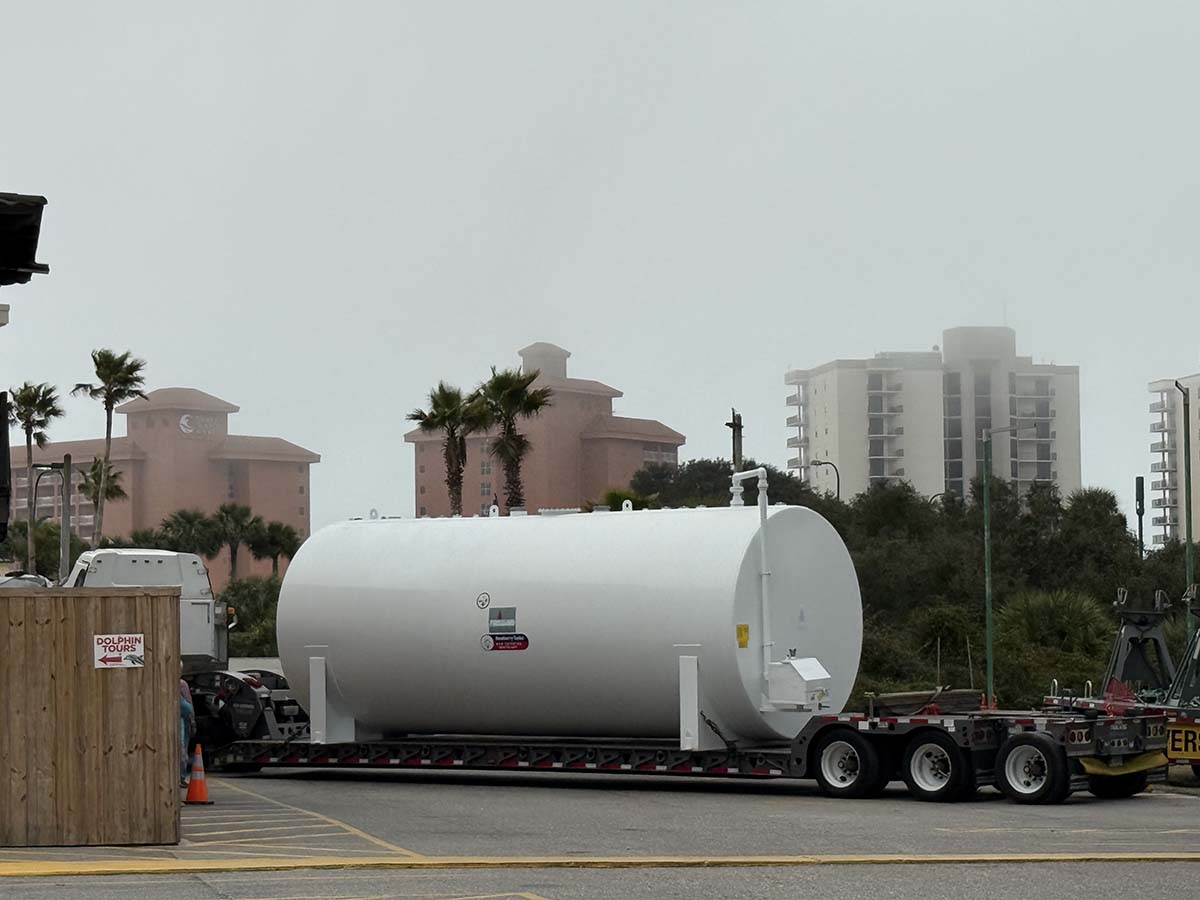
The Ins and Outs of a Fuel System Replacement
Published on April 28, 2026


When you have the busiest fuel dock on the water, efficient storage and dispensing take priority, but any improvements open the door to environmental regulations that often become a marina owner’s worst nightmare. However, for Susan Boggs, owner of Reel Surprise Marina in Orange Beach, Alabama, the results from a complete overhaul of the fueling system were well worth the effort.
When Susan and her husband, Randy Boggs, purchased the marina in 2016, they had to meet new Alabama Department of Environmental Management requirements for fuel storage. The underground tanks had been in place for 27 years and exceeded their lifespan, as had the lines, sumps and dispensers. The Boggs tackled the dispensers and lines first, adding high-speed pumps to help boaters get in and out quickly. With that work completed, the tanks were next.
Mother Nature had other plans. Hurricane Sally in 2020 damaged the marina’s docks, leaving an unstable base for the dispensers. The storm surge floated the dispensers right off the docks and left the Boggs fully understanding that modifications were necessary. “The quick releases did their job, so we fortunately didn’t have any spills,” Susan said, but improvements were needed. The docks were repaired, and the dispensers were elevated so they were not directly on the dock. Crews altered how the dispensers were attached to the dock so that dispensers, hoses and reels can be easily removed to a safe spot on land when a storm is approaching.
Out With the Old
With that part of the fuel system ready to go, the next hurdle was replacing the underground storage tanks. Not only were the tanks outdated, with limited safety measures and monitoring systems, but the volumes didn’t meet modern boating needs. “We had a 25,000-gallon diesel tank and a 12,000-gallon gas tank. But as center consoles got larger, gas got more popular than diesel,” Susan said. The new tanks are each 15,000 gallons to better meet demand.
The existing underground tanks were emptied and filled with foam, allowing them to be abandoned in place. “We had an environmental company do core drills around the existing tanks to ensure there was no seepage,” Susan said.
The fuel storage was moved from the south end of the parking lot to the north end, which was the only place the tanks wouldn’t impede parking for the neighboring businesses. While the Boggs had been grandfathered in under the city’s new parking requirements, the newer shops and restaurants could not afford to lose parking.
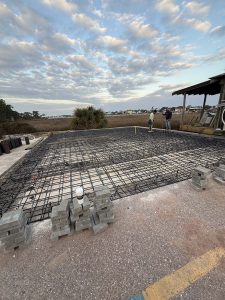
Cognizant of not only safety but aesthetics, the new tanks are fenced on all four sides. “The layout ended up better than what I initially intended. It’s not so much of an eyesore,” Susan said. The tanks are secured with high-tensile-strength bolts, which she commented would take something extraordinary to cause them to come loose.
In With the New
A new Veeder-Root TLS 450 Automatic Tank Gauge was put in place to continuously monitor the tanks. The system watches for leaks, accounts for inventory, tracks transactions and records findings for needed reports. Susan and her team do monthly inspections, and staff are regularly trained in fueling procedures. With several repeat summer dockhands, she always has experienced staff who help with training the newcomers.
Four emergency fuel shutoffs on the docks and well-stocked spill kits round out the marina’s safety protocols for fuel. Although Susan also points out the comfort of going above ground, “I like being able to see the tanks and see in the tanks. With the underground tanks, we were never quite sure what was happening,” she said.
Customer Convenience
The popularity of the easily accessible fuel dock is enhanced by the marina’s ship store, which brings in about $2 million annually. Susan credits the store’s success to both maintaining a varied inventory, often sourced directly from customer requests, and to being the closest restroom to a popular island raft-up area. “We carry branded merchandise, tackle, food and drinks, frozen bait, and items people get ticketed for not having, like life jackets and whistles. We support what people will need on the water,” she said.
Susan also credits the marina’s busy docks for keeping prices reasonable. “We ask each other if we’d be willing to pay a price for whatever item. If we’re not, why would our customers be willing to?” she said.
Looking at everything from the customer’s perspective comes easily. The Boggs came to the marina business out of necessity. The two owned three 65-foot charter boats and stored them at the marina. When the marina operator started talking about leaving, they worried the property would be sold, and they’d have nowhere to go. “We were recruited by the owner of the complex, who asked us if we wanted to take over the docks. From 2009 until 2016, we were tenants leasing the property, and then we bought it. It was self-preservation, really,” Susan said.
Although Randy died in early January 2026, Susan is determined to keep the marina running, alongside her daughter, who has committed to helping run the charter boats and the marina. While Susan didn’t come into the marine industry until she met her husband, she’s fully committed to an industry she’s grown to love.

| Categories | |
| Tags |