

Addressing the Marina Industry’s Staffing Challenges
Published on October 1, 2026


Dockside Chat Q&A: Cody Baker
Building marina careers, stronger teams and a workplace people want to join
Gina Stanley of Marina Dock Age spoke with Cody Baker, Regional Operations Manager at New Haven Marinas, about hiring, retention and the long-term career opportunities emerging across the marina industry. Baker discussed how operators can rethink the “perfect candidate,” develop seasonal workers, create stronger workplace cultures and build career ecosystems that keep talented people connected to the marine business.
How did you get started in the marina industry?
I started in the marine industry in 2015 while I was a freshman at Texas State. I wanted a job by the lake, handed out applications and ended up at Canyon Lake Marina. I spent three seasons there, moved to Cranes Mill Marina and finished out about 10 years with Suntex. After that I spent a season at Lake Powell with Aramark before joining New Haven Marinas. I came in as New Haven was closing on Stardust Marina on Norris Lake, and the role has given me the chance to work with very different marina operations around the country.
What is New Haven Marinas’ footprint today?
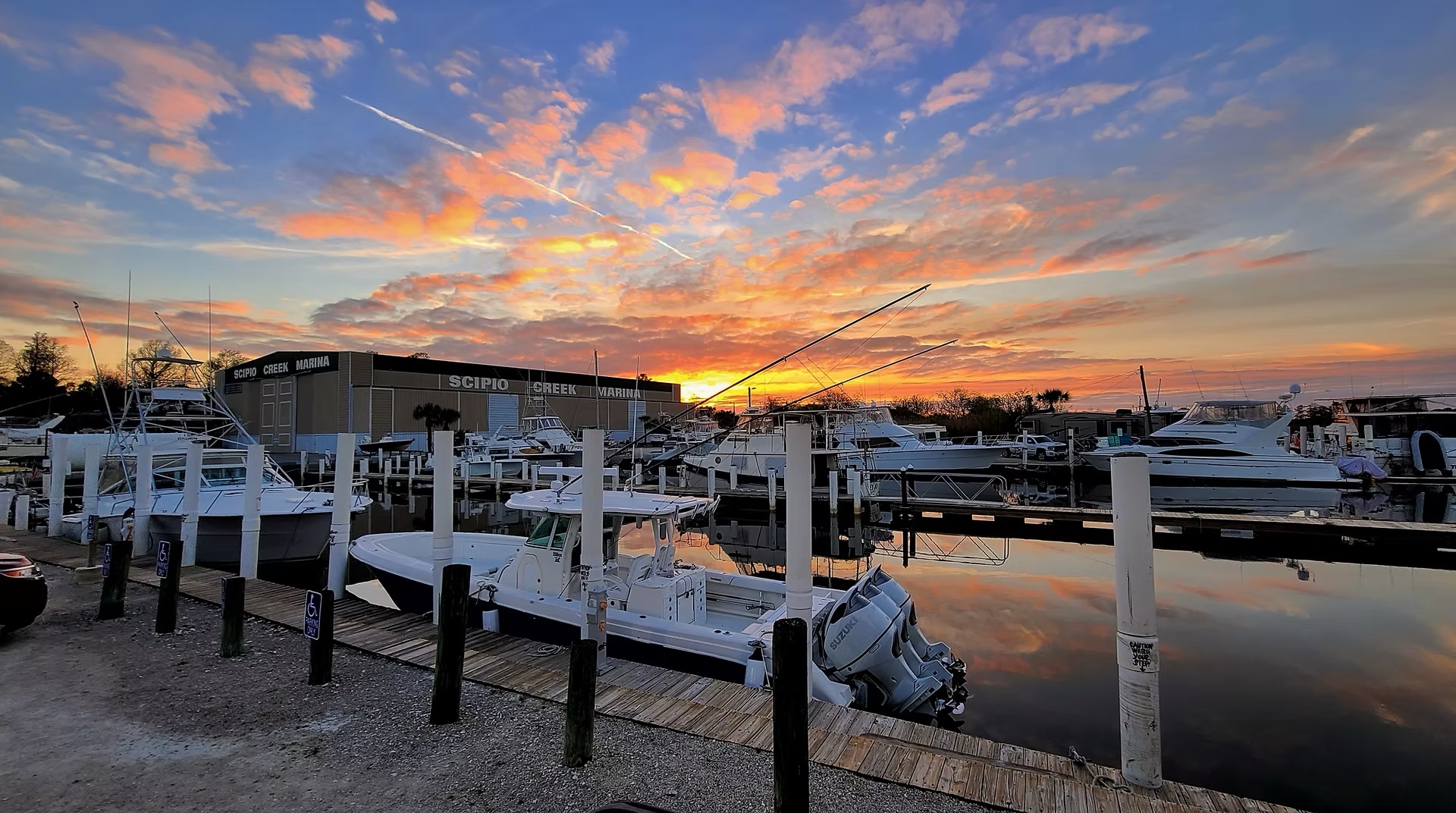
We just closed on our ninth property, Scipio Creek Marina in Apalachicola, Florida. It is our first coastal property. One of the interesting parts of marina work is that every property seems to come with something new to learn. At Scipio Creek, that includes a brewery, so even after years in the industry I keep finding areas I never expected the marina business would take me into.
Why has the marina industry struggled to attract people as a long-term career?
For a long time, the public perception was that marina work was a summer job: wash boats, run the fuel dock and then move on to your ‘real job.’ At many smaller operations, career paths were limited because a manager might stay in the same role for decades. Larger marina portfolios have changed that. They create needs in operations, marketing, recruiting, retention and other functions that a single property may never have needed full-time. That gives more people a path to make this a real lifetime career.
What should marinas actually look for when hiring?
Start with the role you need filled today and the needs you expect tomorrow. Not every employee needs to be a superhero or a future executive. Some people are driven by advancement and will eventually ask, ‘What’s next?’ Others are at a point in their career where they want a steady role, responsibility and consistency. Both can be excellent employees. The mistake is hiring for an imaginary perfect candidate instead of understanding what the job truly needs.
Does a strong candidate need prior marina experience?
Not necessarily. What matters is whether someone can translate skills from another field and understand where they still need technical knowledge. My own degree was aimed at teaching high-school woodshop. I do not do that today, but the communication, training and safety skills absolutely transfer. People who can recognize those connections and their own gaps often plug into marina work very quickly.
Is employee retention mostly about pay?
Pay matters because people have bills, but money alone does not keep someone who is miserable performing well forever. There is a middle ground between compensation and job satisfaction. Marina operators also need to develop the people already around them. Your long-term technical pipeline might start with a 16-year-old working at the marina who discovers that this can become a career.
What makes marina work fulfilling?
We’re in the fun business. A marina is competing for people’s recreation time with places like Six Flags and Disney World. Employees need to understand and experience the product they are helping create. When I managed younger employees, I would get them on the water so they understood the boats, the lake and the experience. Once they experienced it themselves, they became better ambassadors because they could authentically explain why a customer should want to be there.
How do the condition and culture of a marina affect retention?
Marinas reflect their teams. A clean, well-maintained property and a team that takes pride in how it presents itself create a self-reinforcing culture. Poor physical conditions create angry customers, and those interactions become a daily negative drain on employees. Supporting employees means removing those unnecessary drains, whether it is broken infrastructure, payroll problems or other distractions that keep them from doing their jobs well.
What does a real career path in the marina industry look like?
Mine was linear: dockhand, lead dockhand, rental manager, cross-training, marina manager, assistant general manager and then broader operations. But the nonlinear paths are just as important. The marina industry needs marketers, recruiters, technicians, warehouse staff, salespeople and service professionals. Sometimes the best career move for a good seasonal employee is with another company in the marine ecosystem. Helping them make that move can keep them in the industry and in your professional orbit.
What should an operator do first if staffing is a chronic problem?
Ask whether you are really looking for the right person. Identify the one or two requirements that truly cannot move, then have adult conversations about everything else. Operators sometimes reject people for soft reasons without ever testing whether the issue can be coached. If you still cannot attract people, you may have to change compensation, transportation support, job design or expectations. And if a line of business requires skills you cannot hire and cannot personally provide, you may eventually have to ask whether that line of business still makes sense.
What could change if the industry gets this right over the next five years?
The value proposition gets better for everyone. Happier employees and managers help create happier guests and tenants, and that makes customers more likely to renew and stay engaged with the marina. Professionally, I hope we also rebuild the industry ecosystem where people can say, ‘I’ve got a guy for that.’ Strong relationships between marinas, service shops, suppliers and former employees make the whole industry stronger.
What is your closing advice for marina leaders?
Middle managers matter. Employees decide whether they see a future in the business partly by looking at the people one or two steps above them. If every manager looks miserable, employees will assume the next promotion simply leads to misery. Not every day is a great day, but this can be a great career. Leaders need to make sure the people supervising the next generation can show them that.
Related Marina Dock Age Reading
For more on building stronger marina teams, developing employees and creating long-term careers in the industry:
- Career Path Training Helps Build the Marina Workforce
- Investing in Employees Proves Beneficial to the Success of Marinas and Boatyards
- How Nine Marina Builds a World-Class Guest Experience
- It’s All About the People for Hurricane Marina
- From Favorite Place to Best Job Ever
- New Haven Marinas Expands in Florida

| Categories | |
| Tags |